Silage Film is a specialized plastic film used to seal and preserve silage, which is fermented feed used for livestock. It is designed to protect silage from environmental elements like air, moisture, and contaminants, ensuring it stays fresh and maintains its nutritional value.
Silage wrap film, a specialized agricultural plastic film, has revolutionized modern forage preservation. This high-strength stretch film is designed to create an airtight seal around silage bales, enabling farmers to produce nutrient-rich, high-quality feed regardless of seasonal limitations. For livestock farmers and forage producers, understanding and selecting the right silage wrap is not a minor detail—it's a critical decision that directly impacts feed quality, operational costs, and livestock health.
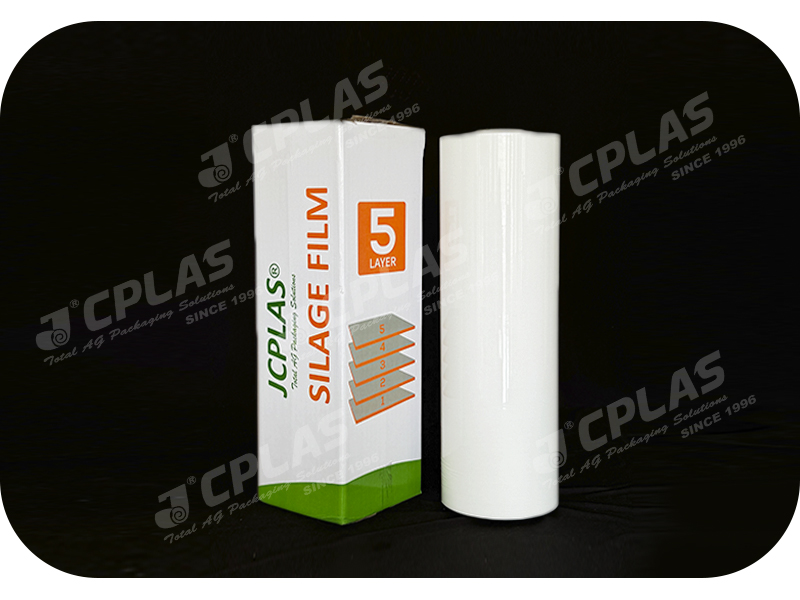
Feature & Advantages:
5-layer blown wrapping film
High resistance film
High strength with tear & puncture resistance
Suitable for large flow wrappers
Very strong with elastic memory
High adhesion, even stickier
Reinforced impermeability
UV protection of 12 months
Silage Wrap Film is an essential tool for farmers looking to preserve feed quality, reduce waste, and maintain a steady supply of high-quality silage for livestock throughout the year.
At its core, the silage preservation process relies on controlled fermentation. Once forage is cut and baled at optimal moisture content, it's wrapped tightly with multiple layers of this specialized film. This airtight environment encourages beneficial anaerobic bacteria to convert sugars into lactic acid, rapidly dropping pH and "pickling" the forage. This process halts spoilage, locks in nutritional value, and creates a stable feed source that can last for over 12 months. Without a reliable oxygen barrier, this process fails, leading to dry matter losses, mold growth, and poor feed quality.
1. Maximizes Feed Nutrition and Palatability
High-quality silage wrap maintains a consistent anaerobic environment, which is the cornerstone of proper fermentation. This preserves proteins, vitamins, and energy-rich carbohydrates in the forage at levels very close to the original crop. Well-preserved silage is not only more nutritious but also more palatable, leading to better feed intake and improved animal performance in dairy cows, beef cattle, and sheep. The result is often visible in milk yields, growth rates, and overall herd health.
2. Dramatically Reduces Dry Matter and Nutrient Loss
Spoilage is the enemy of forage economics. Exposure to oxygen allows yeasts, molds, and undesirable aerobic bacteria to thrive, consuming valuable nutrients and dry matter. Premium multi-layer silage films with superior oxygen barrier properties can reduce these losses to less than 5%, compared to potential losses of 25% or more in poorly sealed bales. This directly translates to more tons of usable feed from the same acreage, improving your farm's bottom line.
3. Provides Weather-Independent Feed Security
One of the greatest advantages of baled silage is its independence from weather conditions post-harvest. Once wrapped, the bales are impervious to rain, snow, and sun, allowing for flexible harvesting schedules and safe outdoor storage. This creates a reliable, year-round feed bank, reducing dependence on purchased feed and mitigating risk from drought or poor growing seasons.
4. Enhances Operational Flexibility and Efficiency
Silage wrapping allows farmers to harvest forage at its precise nutritional peak without being constrained by the immediate need for feeding or the availability of bunker space. Bales can be made, wrapped, and stored where they will eventually be fed, minimizing handling. Modern films are also designed for high-performance wrappers, enabling fast, efficient, and reliable bale wrapping even during large-scale operations.
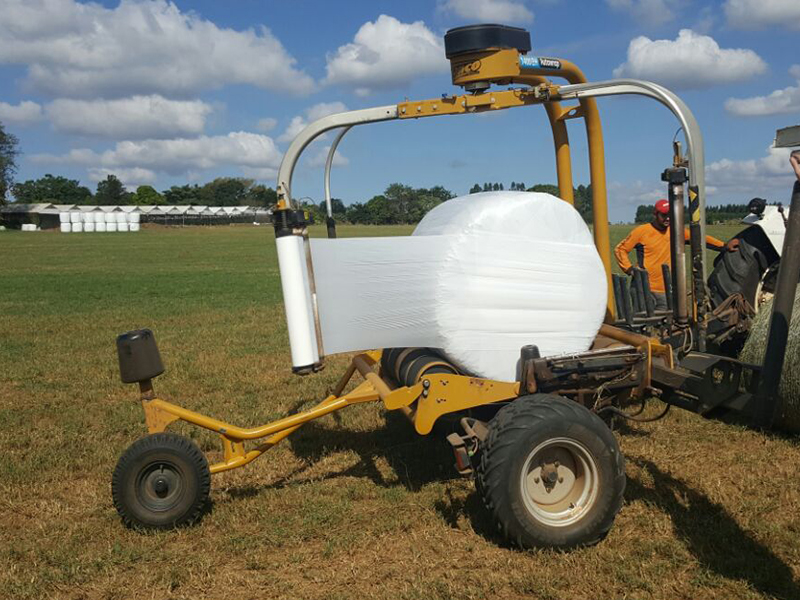
Not all silage films are created equal. Selecting the wrong film can lead to seal failures, UV degradation, and costly feed losses. Here are the critical factors to consider:
Layer Construction and Oxygen Barrier: Opt for films with multiple co-extruded layers (often 3 or more). These layers combine strength, cling, and—most importantly—a specialized oxygen barrier layer (often EVOH-based). The lower the oxygen transmission rate (OTR), the better the long-term preservation.
Stretch Performance and Puncture Resistance: The film must stretch evenly (typically 55%-75%) without tearing to conform tightly to the bale's shape, eliminating air pockets. It must also resist punctures from sharp stems or rough handling. Look for high-performance resins like LLDPE or mLLDPE in the film's specification.
UV Stabilization: Since bales are often stored outdoors for months, the film must contain UV inhibitors to prevent breakdown and brittleness from sunlight exposure, which would compromise the seal.
Film Width and Roll Length: Choose a width compatible with your wrapper (common sizes are 500mm, 750mm, and 1m). Longer rolls mean fewer changeovers, increasing wrapping efficiency during big jobs. Standard roll lengths are 1500m or 3000m.
Number of Layers Applied: Never compromise on wrap layers. A minimum of 6 layers (preferably 8) is the industry standard for creating a durable, long-term oxygen barrier. Using fewer layers to save on film cost is a false economy that risks the entire bale's value.
To ensure your silage film performs to its maximum potential, follow these key steps:
Bale at Correct Moisture: Aim for 45-55% dry matter for grass and 35-45% for corn. Bales that are too wet or too dry ferment poorly.
Wrap Immediately: Wrap bales within 2-4 hours of baling to minimize initial spoilage and capture maximum sugars for fermentation.
Apply Tight, Even Layers: Ensure your wrapper is calibrated to apply sufficient film tension and overlap (usually 50%) for a consistent, gap-free seal.
Handle with Care: Avoid puncturing wrapped bales with forks or moving them over rough ground. Inspect the line of bales regularly for bird or rodent damage and repair tears promptly with UV-resistant silage tape.
Investing in high-performance silage wrap film is investing in the quality and quantity of your most valuable on-farm feed resource. By creating a reliable anaerobic seal, it safeguards the nutritional investment you've made in growing and harvesting your forage crop. When selecting your film, prioritize proven oxygen barrier technology and mechanical strength over initial price per roll. The marginal extra cost of premium film is returned many times over through reduced waste, superior animal nutrition, and the invaluable peace of mind that comes with a secure winter feed supply.
Ready to secure your silage quality? Consult with your trusted agricultural supplier to select the silage wrap film that best matches your crop type, storage duration, and operational needs. Protect your forage, nourish your livestock, and optimize your farm's feed efficiency with the right wrap.
ADDRESS:388 JIANGNAN ROAD, GEXIANG INDUSTRY AREA, RUIAN, ZHEJIANG, CHINA
Melody melody@chinanetwrap.com
Echo: Echo@chinanetwrap.com
Santori: Santori@chinanetwrap.com
(Global):0086-577-58877667
(Local):0086-577-58877159

ADDRESS:388 JIANGNAN ROAD, GEXIANG INDUSTRY AREA, RUIAN, ZHEJIANG, CHINA
Melody melody@chinanetwrap.com
Echo: Echo@chinanetwrap.com
Santori: Santori@chinanetwrap.com
(Global):0086-577-58877667
(Local):0086-577-58877159


